
Friedman Fine Art
Corporate Art Programs – Sales/Consulting
Chicago Photographs/Chicago Artists

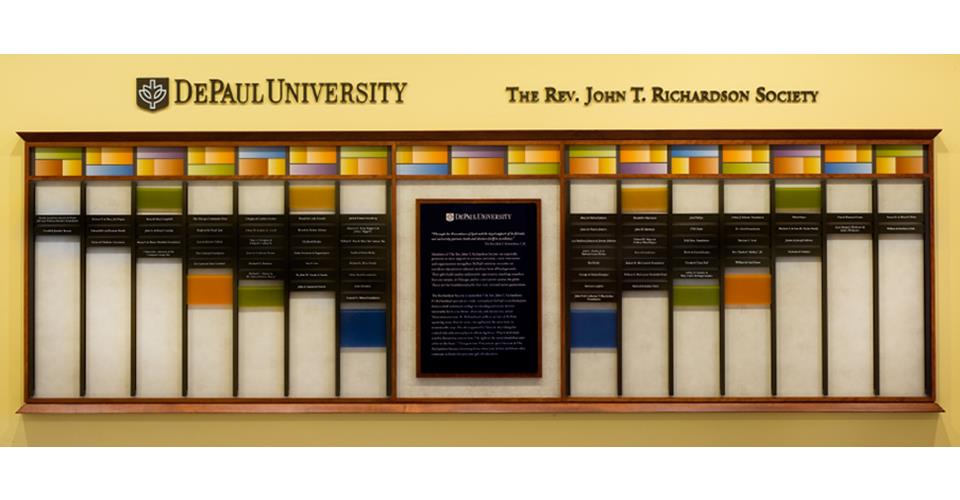
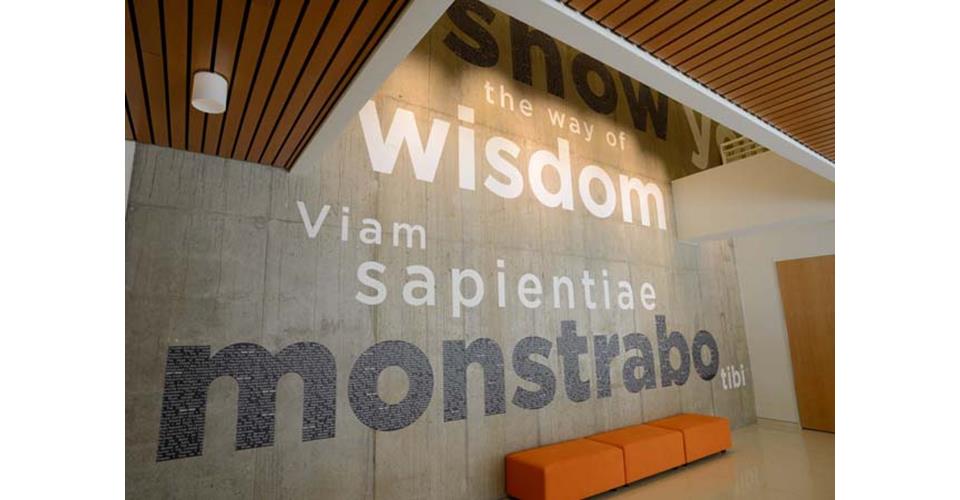
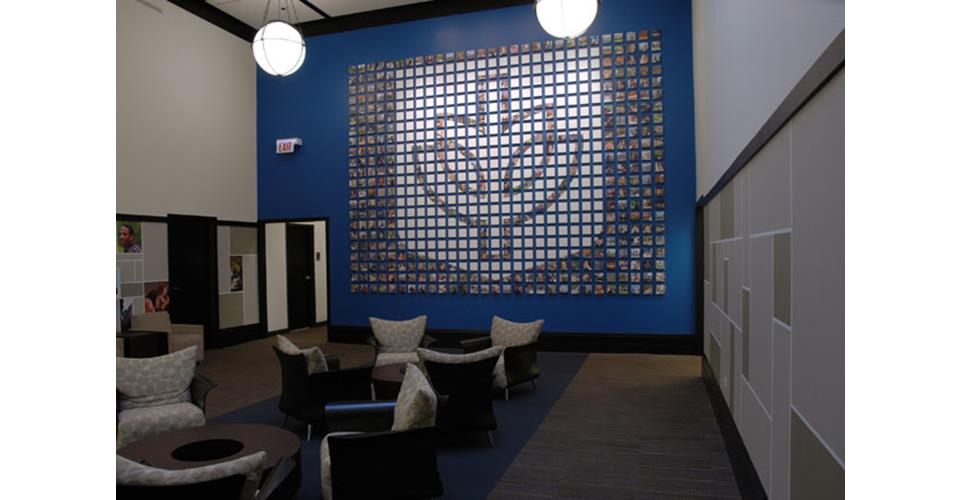
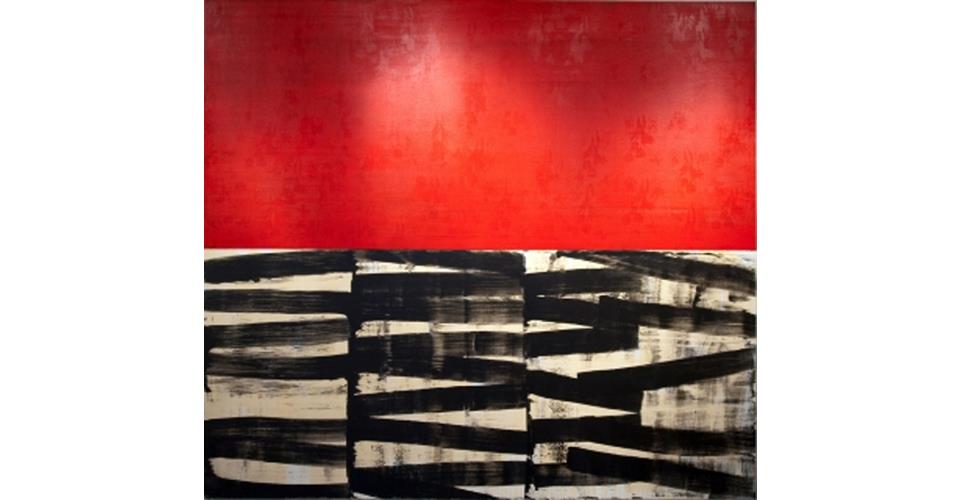
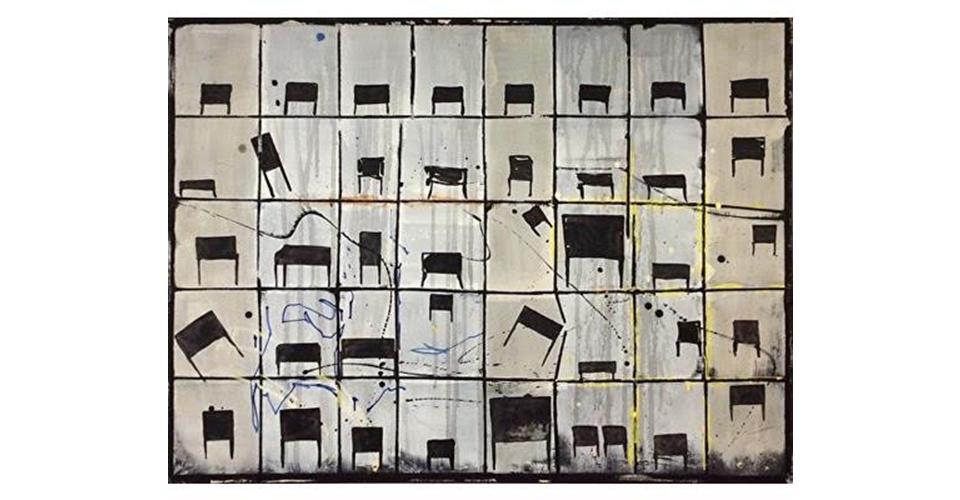

Friedman Fine Art is a Chicago-based art consultant that has been developing corporate, residential and institutional art and graphic programs in the Chicago area for over 40 years. Our firm specializes in creating relevant and thematic art programs, tailoring the art and graphics to the specific mission and culture of the client. Whether the client is a small company or a Fortune 500 corporation our firm will provide a full range of art, photography and branding graphics to suit each individual client’s budget requirements and taste.
 |
Client List: | |
| • IBM Corporation | • McDonalds Corporation | |
| • Price Waterhouse Coopers | ||
| • United Airlines | • Chicago Mercantile Exchange | |
| • Chicago Bears | • Wheaton College | |
| • J. Walter Thompson | • YMCA National Headquarters | |
| • Mesirow Financial | • Chicago Board of Trade | |
| • DePaul University | • Colliers International | |
| • Cushman Wakefield | • Motorola | |
| • Rush Presbyterian Hospital | • American Chartered Bank | |
| • Kemper Insurance | • Gift of Hope | |
| • Adler Planetarium | • AT&T | |
| • Loyola University | • Wintrust Financial |
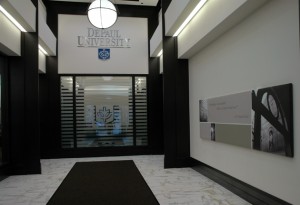
Graphics Program at the DePaul University Welcome Center
Friedman Fine Art is pleased to present the DePaul Welcome Center graphics. Located in their Lincoln Park Campus, the DePaul Welcome...
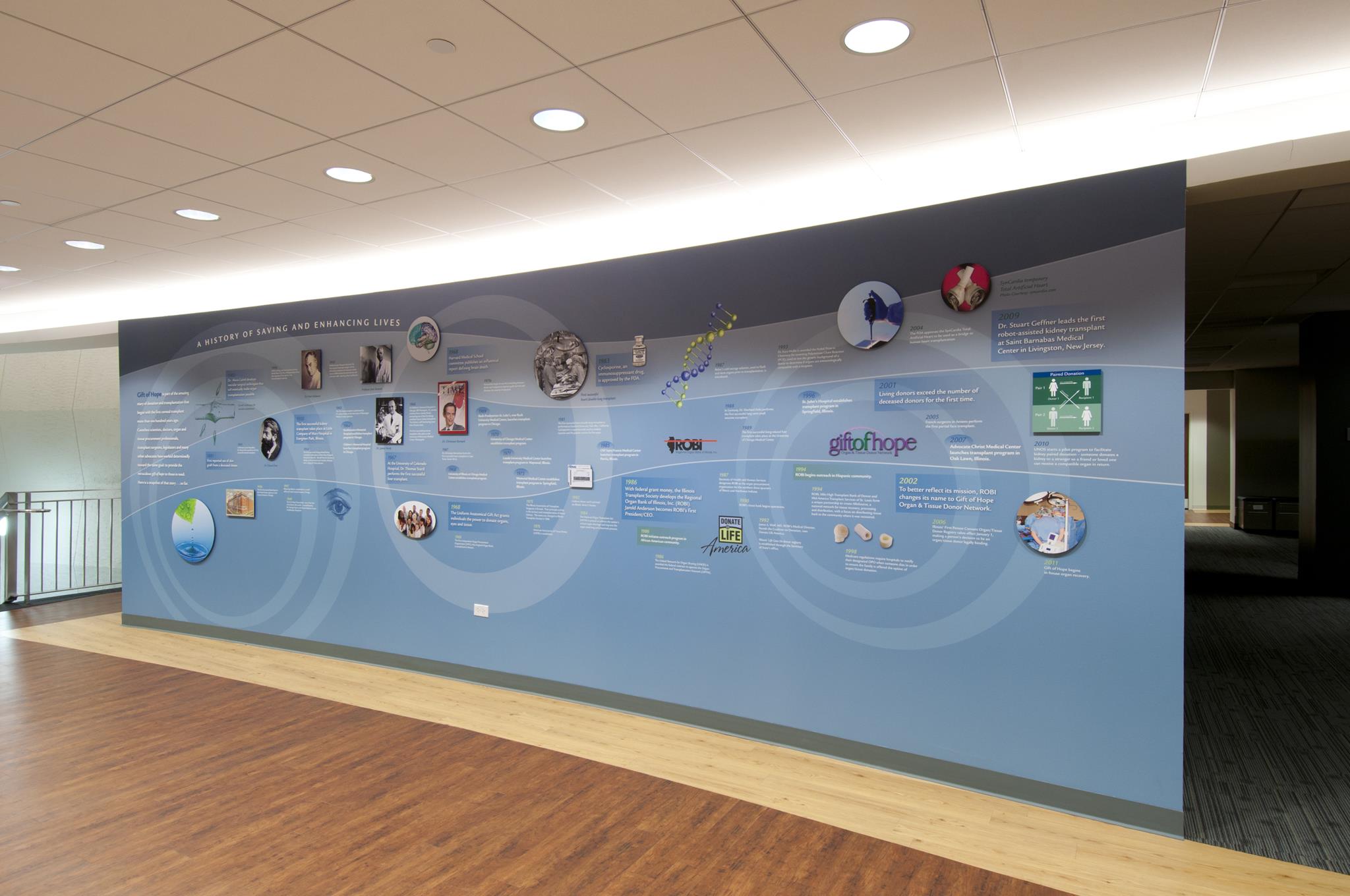
Gift of Hope
In 2012, Friedman Fine Art concluded an art and graphic project for the Gift of Hope’s new state of the...

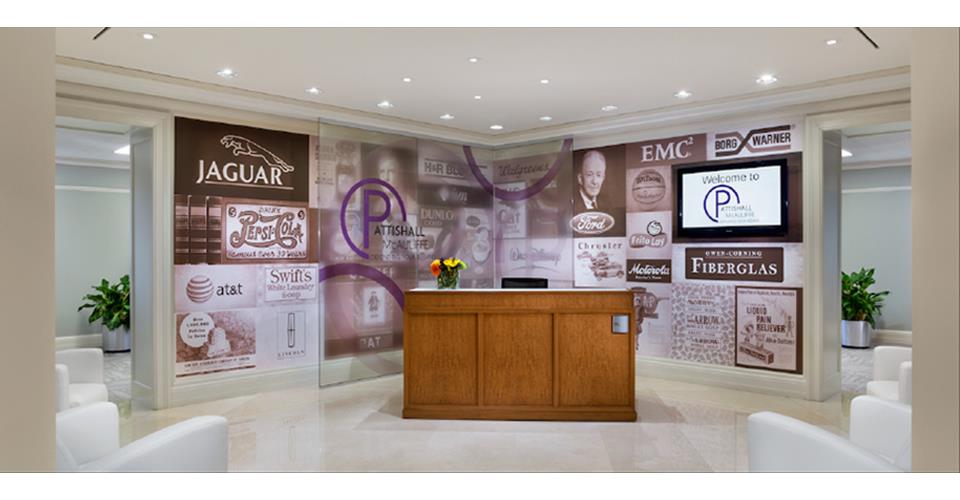
History Donor Wall for the Law Firm of Pattishall, McAuliffe, Newbury, Hilliard & Geraldson LLP
Friedman Fine Art, in collaboration with NELSON, designed, fabricated and installed the client history donor wall for the trademark specialty law...
The Theatre School at DePaul University
The Theatre School at DePaul University Friedman Fine Art is pleased to announce the successful completion of the DePaul...
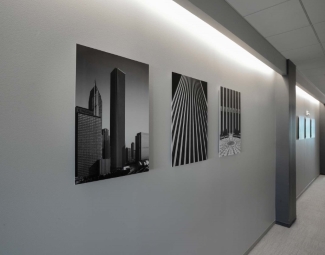
InSite Art Program
Friedman Fine Art, referred by Whitney Architects is pleased to present a unique art program recently developed for InSite Real...

Fine Art Paintings from Rene Romero Schuler
Friedman Fine Art is pleased to represent the marvelous works of Chicago contemporary artist Rene Romero Schuler. One of the most...

Jay Zerbe Contemporary Art Collection
Friedman Fine Art features the marvelous works of Chicago contemporary artist Jay Zerbe. Jay uses color to make the space in his...
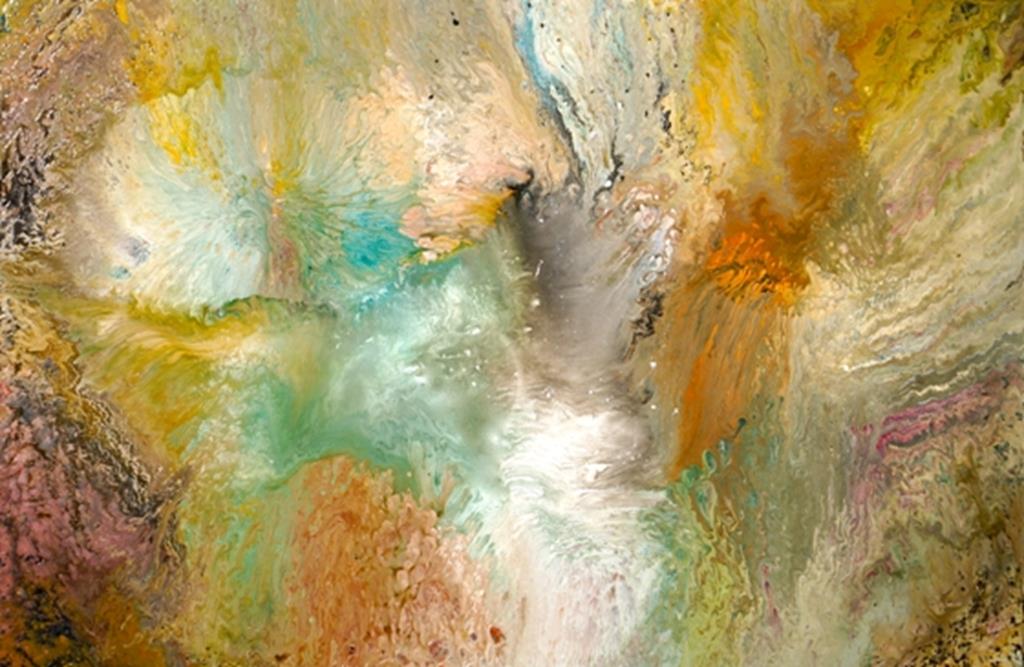
Paintings by Cathy Bruni Norris – Chicago Contemporary Artist
Friedman Fine Art is pleased to represent the beautiful works of Chicago contemporary artist Cathy Bruni Norris. Cathy Bruni Norris began painting...
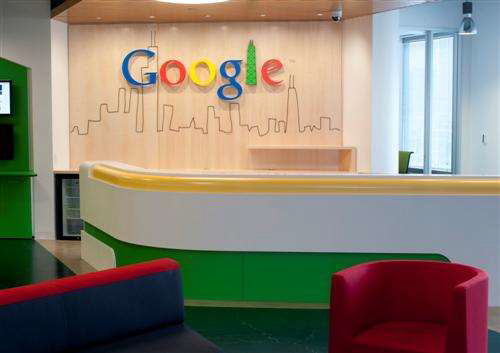
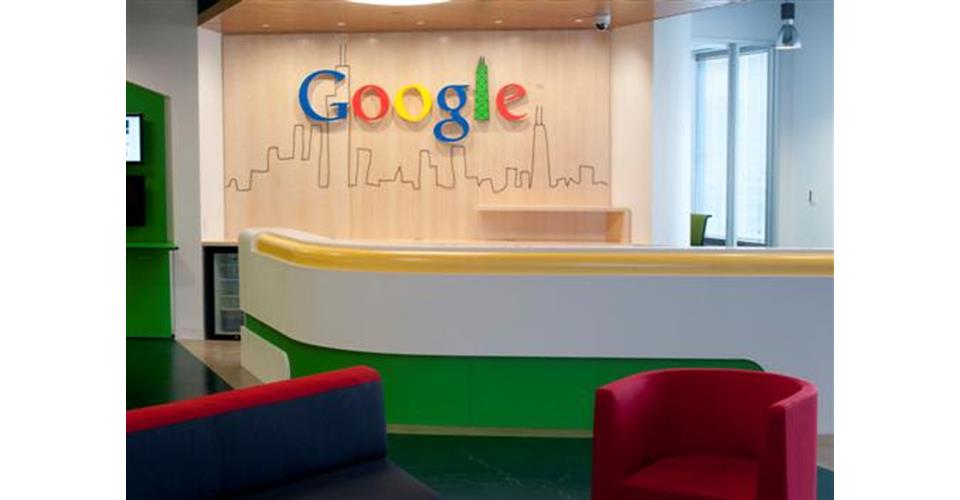
GOOGLE CHICAGO
GOOGLE CHICAGO Friedman Fine Art is pleased to announce the completion of the graphics program for Google’s new Chicago facility....
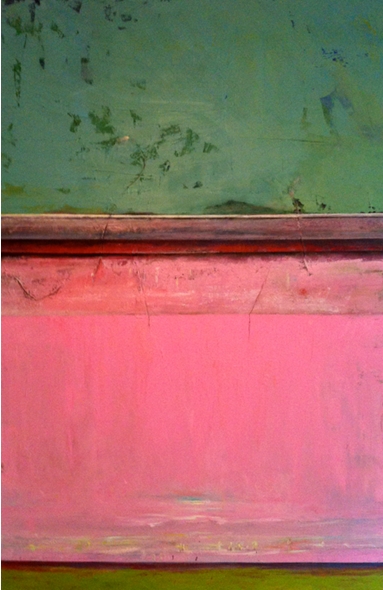
Chicago Artist: Mark Zlotkowski
Friedman Fine Art offers a stunning selection of art from local Chicago artists. Mark Zlotkowski is a Chicago based Artist,...
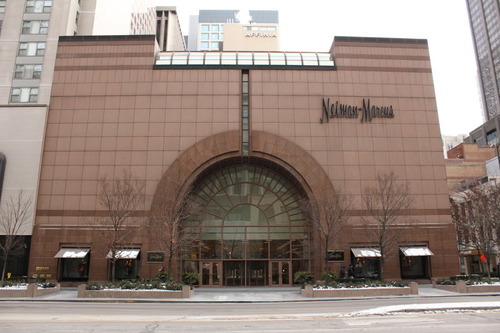
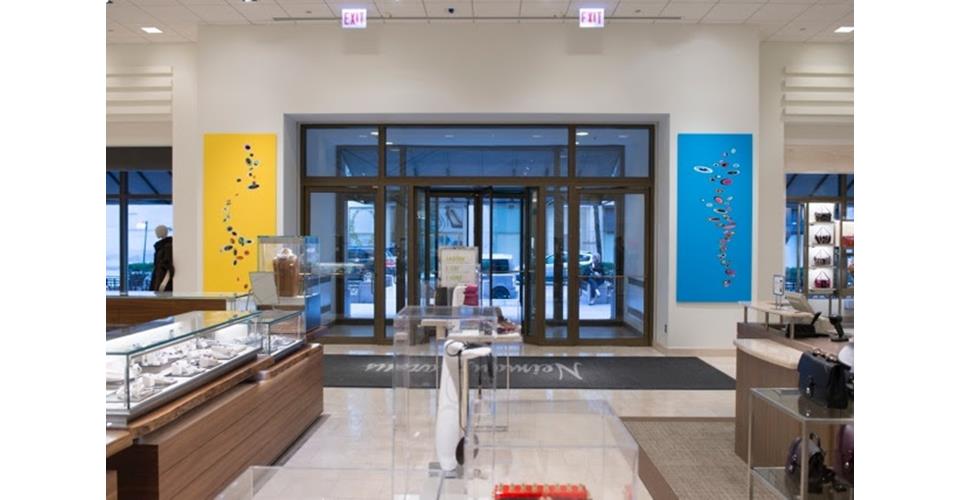
Neiman Marcus Art in Michigan Avenue Store
Neiman Marcus Art in Michigan Avenue Store Friedman Fine Art is pleased to announce the completion of the art program...
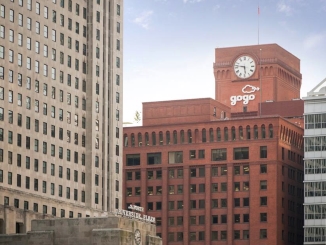
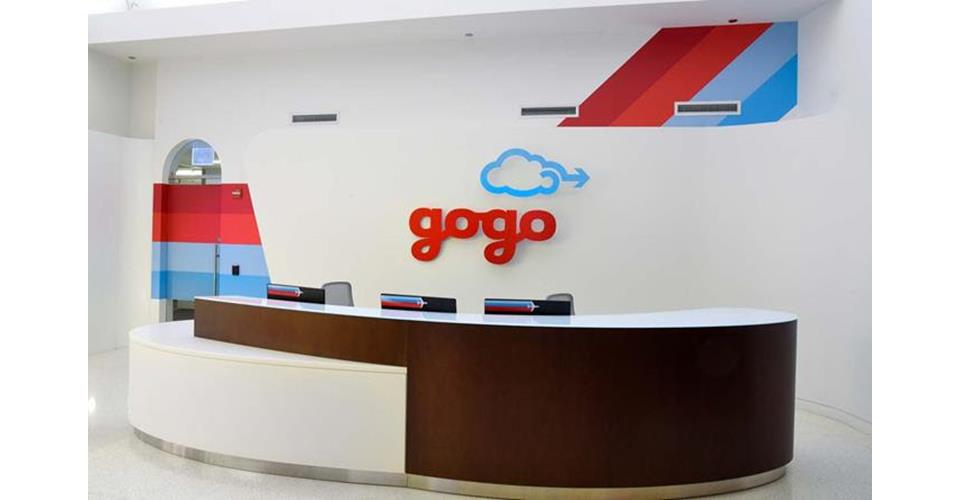
gogo Corporate Graphic Walls
Friedman Fine Art is pleased to present the branding graphic program for gogo. Friedman Fine Art has been developing...